
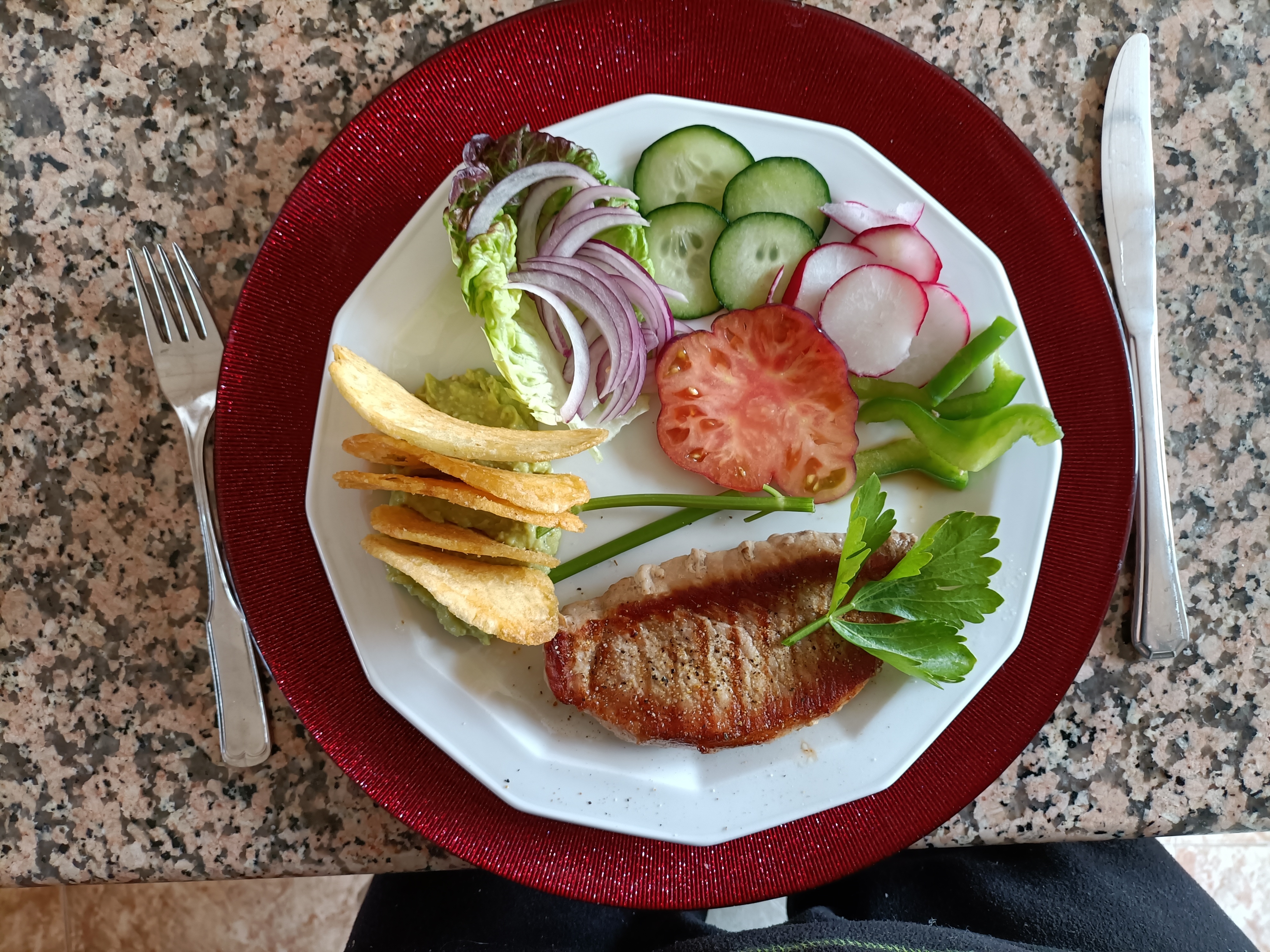
Much of food served in Europe are dangerous products.
Europe’s Fry Culture: When Convenience Overrides Health and Gastronomy
Across Europe, French fries have become the default side dish to almost any meal. Whether you order fish, meat, vegetarian dishes, or even so‑called gourmet menus, the same bowl of deep‑fried potato sticks appears as an automatic reflex from the kitchen. This is not gastronomy. It is not quality. It is a compromise and a health concern that far too few people talk about.
French fries are not food, they are a product of laziness
French fries are not a culinary side dish. They are an industrial product designed for speed, profit, and minimal skill. They are served not because they are good, but because they are cheap, easy, and require no craftsmanship. A bag of frozen fries costs almost nothing, and an untrained employee can produce dozens of portions in minutes. That is why restaurants love them not because guests should be eating them.
The hidden health risk: overheated oil
When cooking oil is overheated — which happens constantly in busy restaurants it undergoes three dangerous chemical processes:
-
Polymerization The oil forms long molecular chains, creating a plastic‑like film on the food. It is the same sticky, hardened residue you see on old fryers. It also coats the food and ends up inside the body.
-
Oxidation Fatty acids break down and form toxic aldehydes and ketones, which burden the body and are linked to increased disease risk.
-
Thermal degradation Repeated heating produces PAHs and acrylamide — both known carcinogens.
This is not an opinion. It is documented food chemistry.
Reused oil: the invisible danger
In many restaurants, the oil is changed far too rarely. It is poorly filtered, and temperatures are often kept excessively high to speed up production. The result is oil that is chemically degraded, unhealthy, and full of polymerized residues.
You cannot see it at the table. But your body feels it.
Why do guests accept this?
Because most people do not demand better. They are used to it. They do not think about what happens inside a fryer, and they do not know how proper side dishes should taste. But they should. A meal costing €18–25 should never rely on cheap deep‑frying and reused oil.
The professional standard: real food requires craftsmanship
A proper meal consists of:
-
Oven‑roasted potatoes
-
Mashed potatoes made from scratch
-
High‑quality rice
-
Fresh vegetables
-
Clean cooking without oil films
-
Meat and fish prepared without industrial shortcuts
This is what food looks like when made by a chef not by a kitchen operator.
Guests must start demanding better
If restaurants are to change, guests must speak up. They must walk away when served something they do not want. They must choose quality over convenience. Only when guests demand better food will restaurants deliver it.
Conclusion: Europe deserves better food
It is not extreme to demand proper food. It is common sense. And yes, it is entirely reasonable to pay €25 for a meal prepared correctly, with respect for ingredients and without health‑damaging oil.
It doesn't require any training to be able to operate a deep fryer. Cheaper with staff who are not chefs but more just kitchen staff. A gourmet chef is too expensive to run.
Europe needs a new food culture. One where quality, craftsmanship, and health come before speed and profit. It begins with saying: Our health is important. French fries are not food. We want proper cooking.

 Try the new pizza and menu.
Add comment